

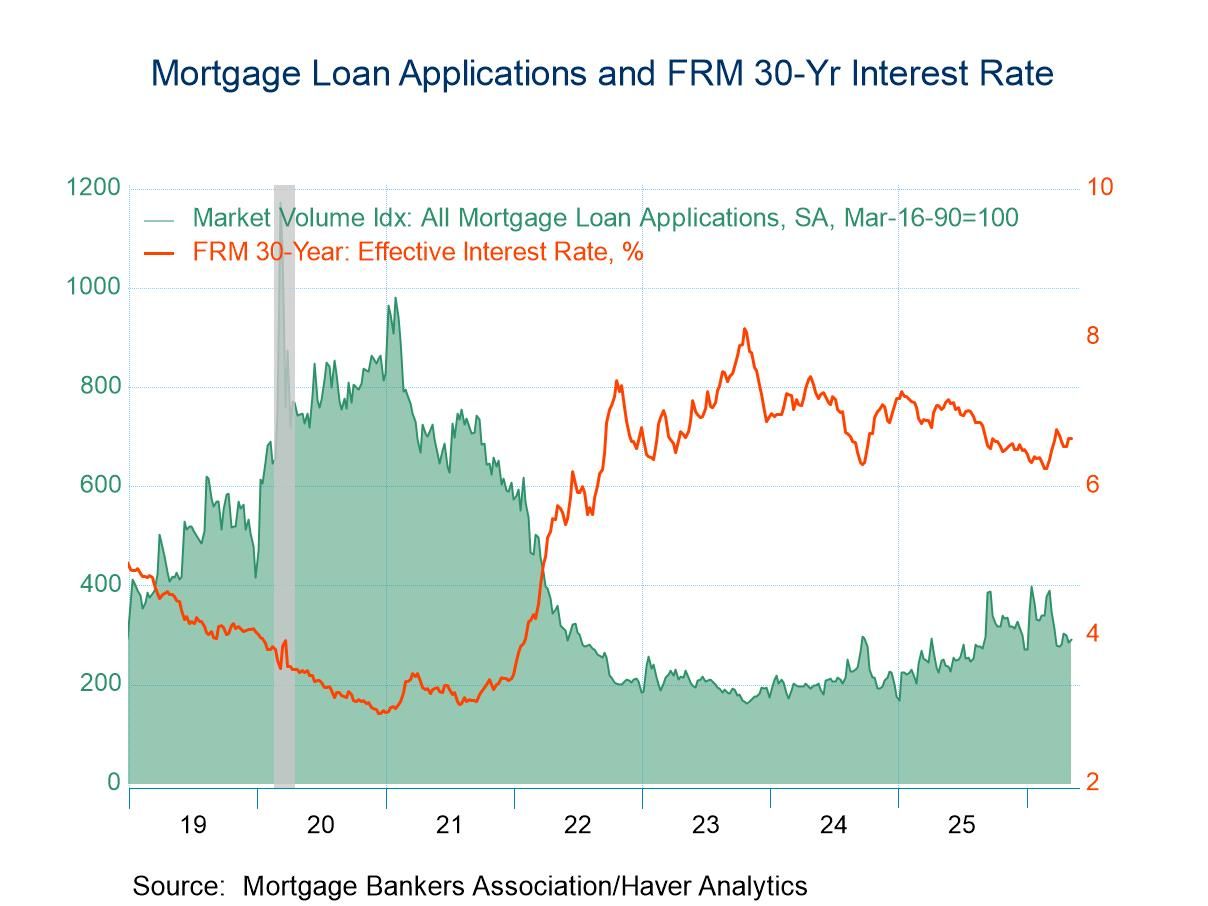
- Applications for loans to purchase rose, while applications for loan refinancing declined in the latest week.
- Interest rate on 30-year fixed-rate loans was unchanged at 6.64%.
- Average loan size edged down.
 USA| May 13 2026
U.S. Mortgage Applications Rose in the May 8 Week
 USA| May 12 2026
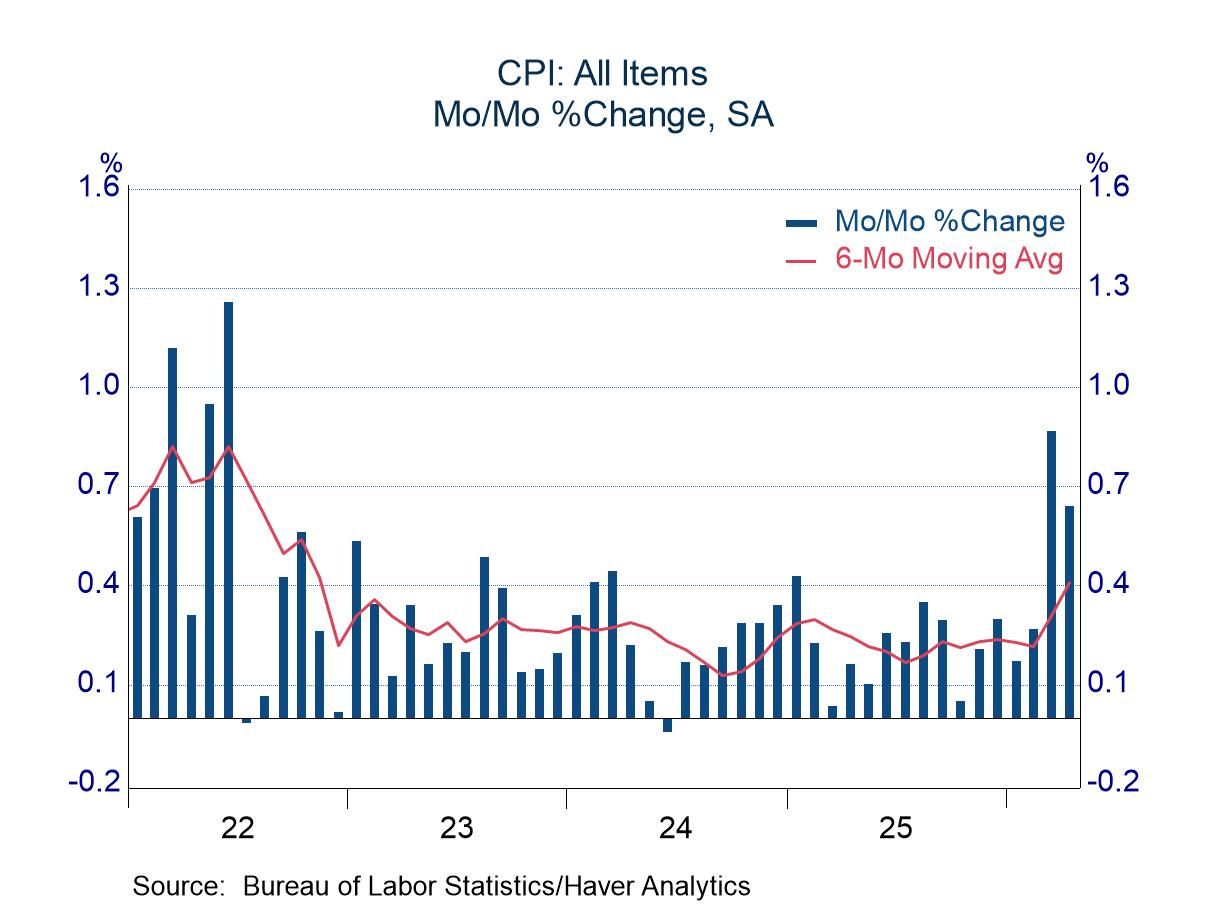
April CPI: More Energy Pressure; Food and Core Uncomfortable
- The increase in gasoline prices slowed from the blistering pace in March, but April still brought the third sharpest increase in the past three years.
- Fluctuating food prices left a high-side average change in the past three months.
- The core component was distorted by an anomaly in rents, but the pace was still brisk excluding rents.
 USA| May 12 2026
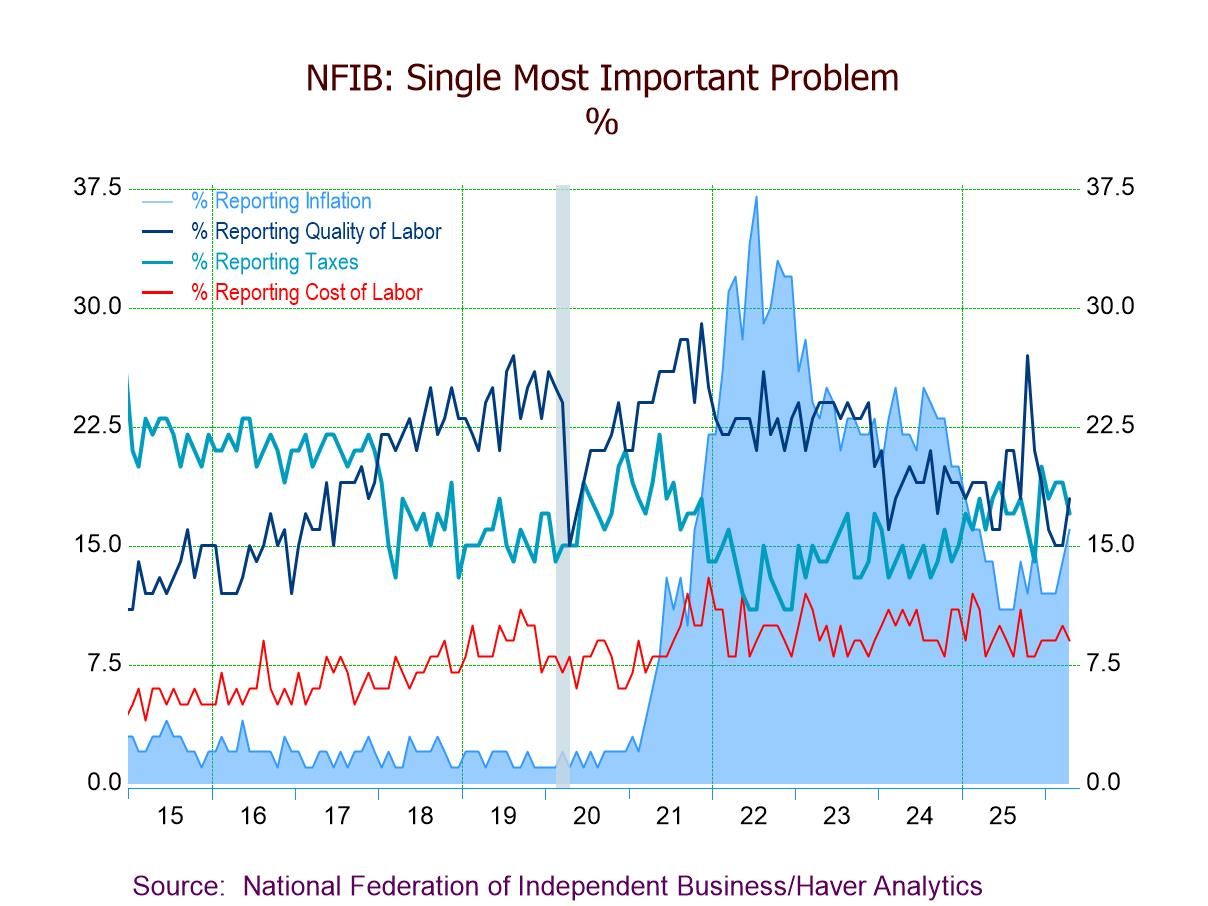
U.S. NFIB Small Business Optimism Still Fragile in April
- NFIB Small Business Optimism Idx up 0.1 pts. to 95.9 in Apr., still below its 52-year avg. of 98.0.
- Uncertainty Idx down 4 pts. to 88, remaining well above the historical avg. of 68.
- Expectations for economy down 7 pts. to 4%, lowest since Oct. ’24.
- Expected real sales down 4 pts. to 3%, a one-year low.
- Plans to expand business down 4 pts. to 7%, lowest since Oct. ’24.
- Firms raising avg. selling prices up 5 pts. to 30%, a four-month high.
- Top three business concerns: quality of labor (18%), taxes (17%), and inflation (16%).
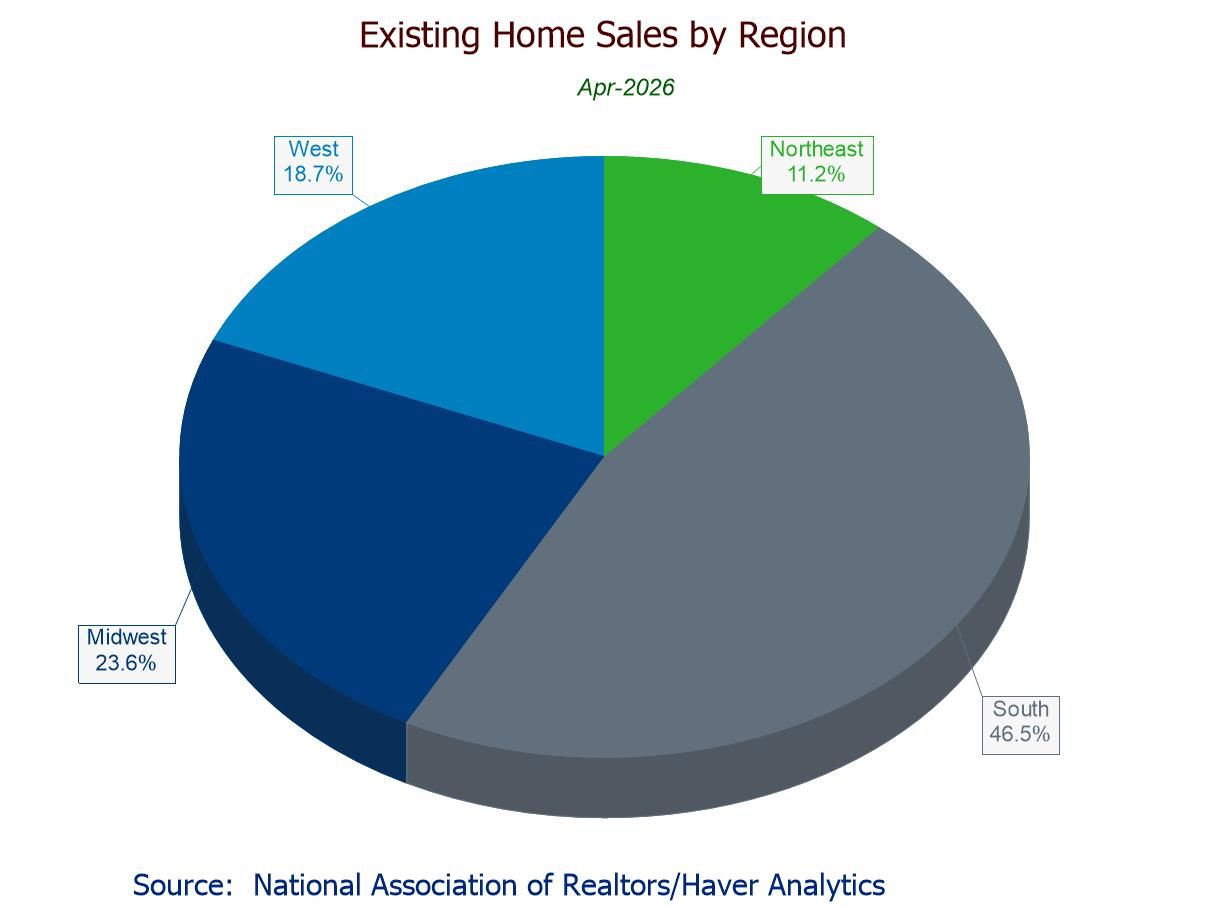
- April sales +0.2% m/m to lower-than-expected 4.02 mil.; 0.0% y/y after five straight y/y declines.
- Sales m/m up in the Midwest (+2.2%) and South (+0.5%), down in West (-2.6%), flat in Northeast; sales y/y up only in South (+2.7%).
- Median sales price +2.1% (+0.9% y/y) to $417,700, highest since Aug. ’25.
- Unsold inventory +5.8% (+1.4% y/y) to six-month-high 1.47 mil. units; 4.4 months' supply.
 Asia| May 11 2026
Economic Letter from Asia: Of Bits and Barrels
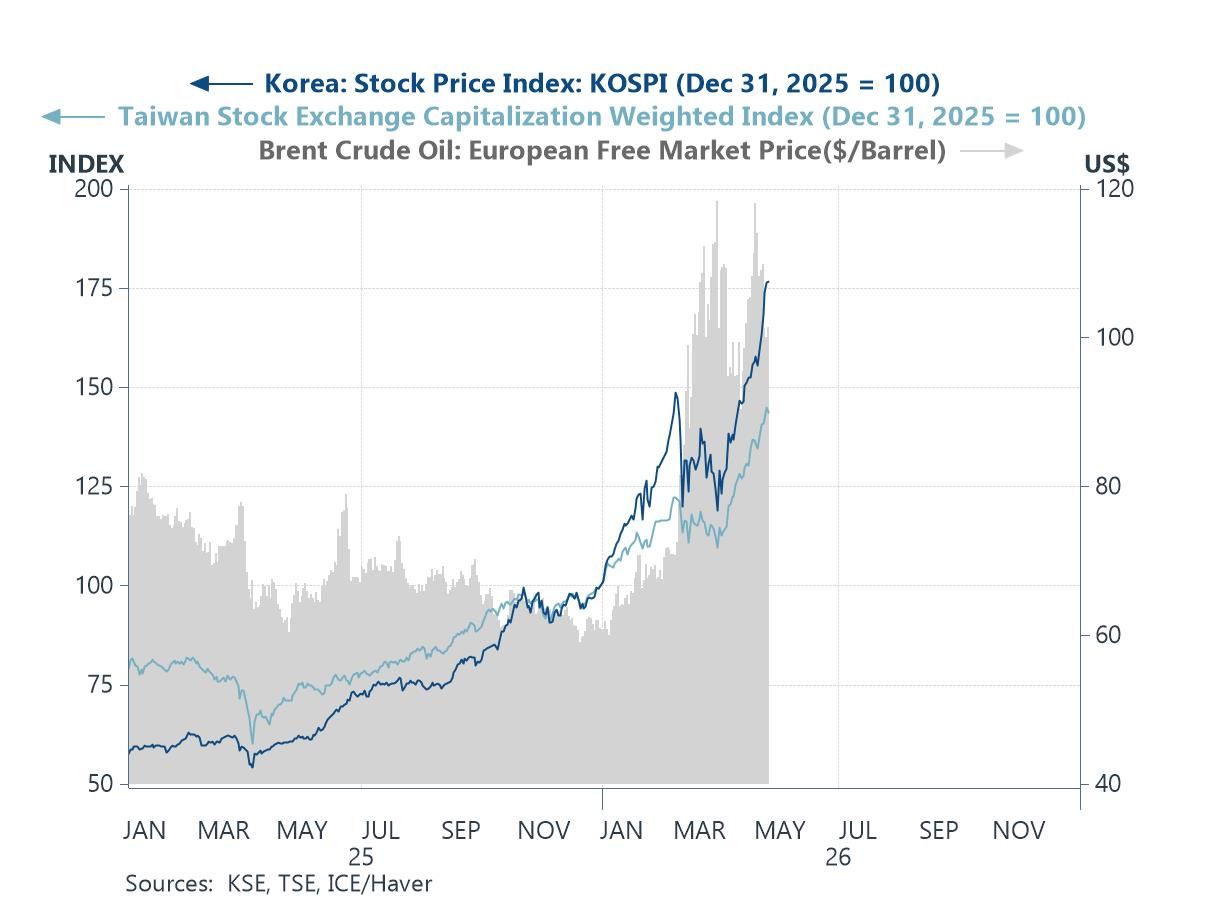
In this week’s Letter, we track the dual drivers of AI optimism and the ongoing Middle East conflict, and how they continue to shape market prices and investor expectations. AI-related enthusiasm has remained a key support for equity markets, particularly in highly exposed indexes in Taiwan and South Korea, while continued oil supply bottlenecks stemming from the closure of the Strait of Hormuz have kept crude prices elevated (chart 1). These dual forces are also evident in the latest Blue Chip Economic Indicators survey. Year to date, all Asian economies have seen upward revisions to inflation forecasts, while the most AI-exposed advanced Asian economy, Taiwan, has recorded a particularly large upgrade to real GDP growth expectations (chart 2). Looking more closely at the monetary policy implications of higher oil prices, this month’s survey shows an increasing share of panellists expecting central banks to resume or extend tightening cycles, marking a modest shift from last month’s results (chart 3). This shift is already partially reflected in recent data, with average inflation across Asia edging higher and several central banks already opting to tighten policy in response (chart 4).
Looking ahead, attention will likely centre on the Trump–Xi summit taking place in Beijing later this week. While any potential for additional Chinese mediation efforts regarding the Middle East conflict will be closely watched, developments on the US–China trade front should not be overlooked given the range of unresolved issues (chart 5). Finally, despite recent headline focus on the Middle East, China has continued to post steady export growth, while also managing to temper excessive domestic producer competition. Together, this has supported a combination of firmer external demand and more stable pricing dynamics—an “all-win” outcome for now (chart 6).
AI vs. the Middle East conflict The divergence between AI-driven equity market optimism and the persistence of elevated crude oil prices amid the ongoing Middle East conflict remains striking. On the one hand, equity markets—particularly in AI-heavy economies such as Taiwan and South Korea (chart 1)—have largely shrugged off concerns over energy supply disruptions. Investors remain focused on the upside potential from the current AI buildout cycle, driven by the rising computational demands of increasingly capable AI models. More recently, attention has shifted toward the scalability and broader applications of physical AI, including humanoid robots, and their potential implications for manufacturing, healthcare, and even household use. On the other hand, crude oil prices remain well above pre-conflict levels. The latest development is the US rejection of Iran’s most recent peace proposal, underscoring that a swift resolution to the US-Iran conflict remains unlikely.
 USA| May 08 2026
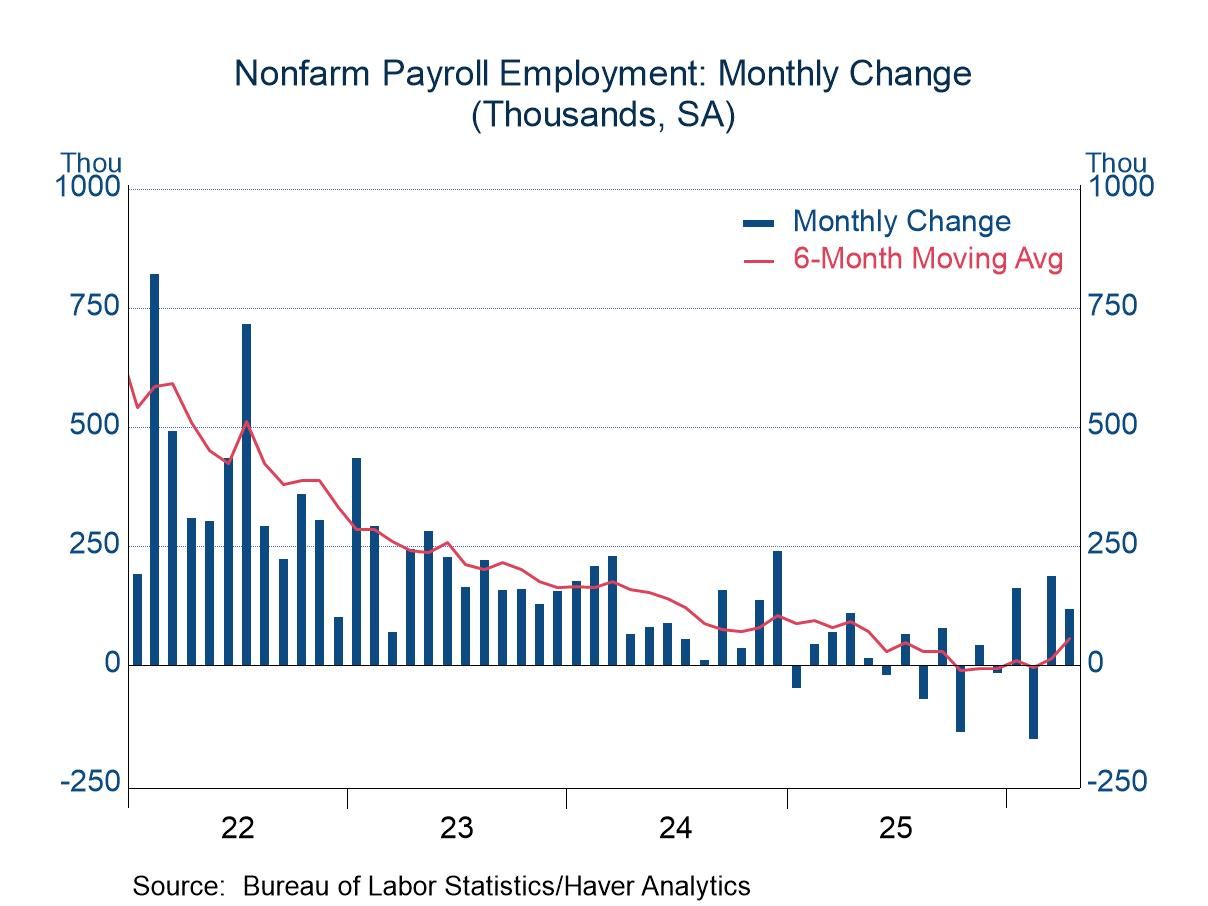
April Employment: Signs of Improvement
- Nonfarm payrolls advance for the second consecutive month.
- Unemployment rate steady; average hourly earnings tame.
 Global| May 07 2026
Charts of the Week: Still Standing
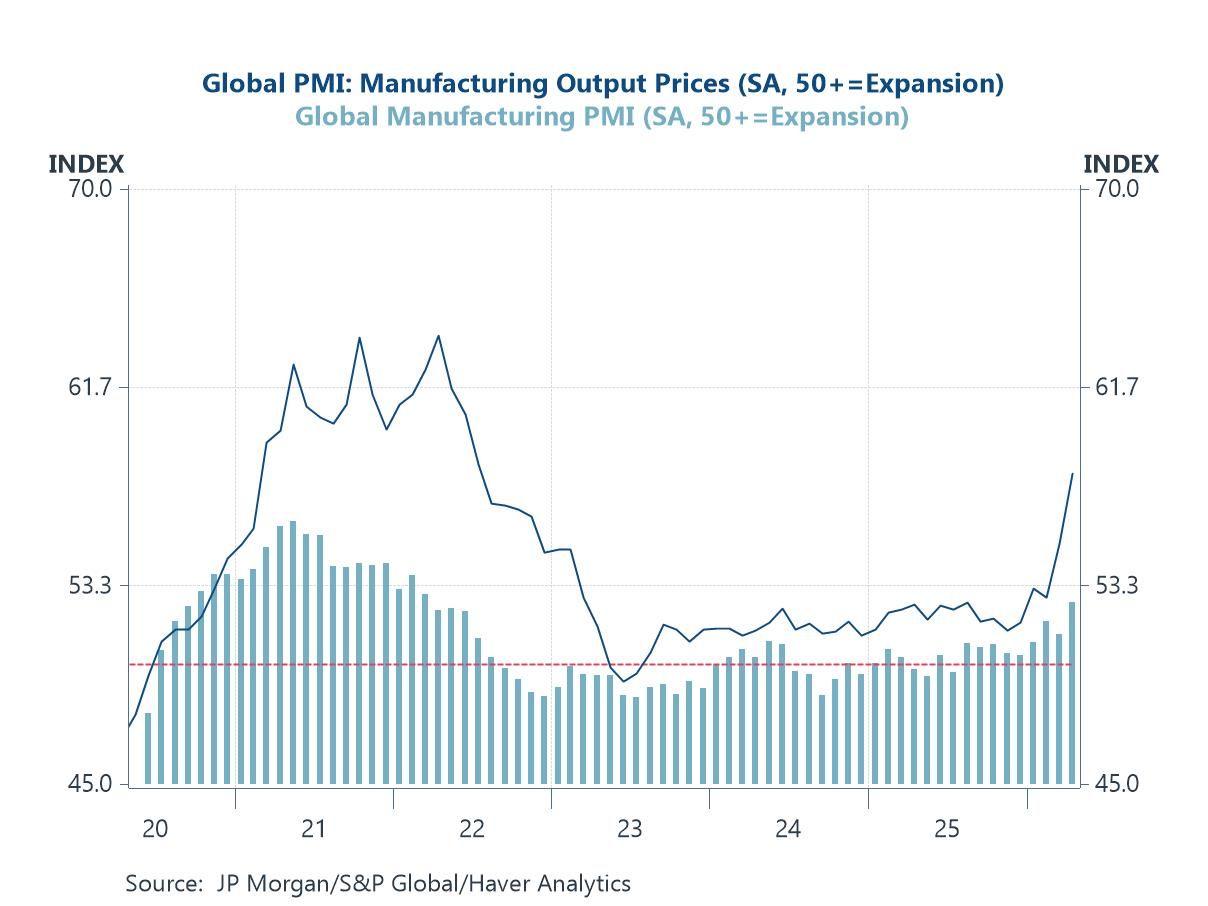
Recent developments point to the possibility of a peace settlement in the Middle East, which has offered some tentative relief to energy markets. Financial markets have responded with cautious optimism, but the outlook remains highly uncertain, with much depending on whether any agreement proves durable and supply disruptions are fully unwound. Against this backdrop, our charts this week highlight a global economy that is holding up better than expected but facing renewed cost pressures. Manufacturing activity remains resilient, supported by AI investment, reduced tariff disruption and defence spending, even as output prices firm (chart 1). Supply-side frictions are also still evident: shipping costs have risen, broader supply chain pressures are rebuilding (chart 2), and crude oil production has been curtailed by export and storage constraints among key regional producers (chart 3). These dynamics have reinforced inflation risks and shifted policy expectations in a more hawkish direction (chart 4). Meanwhile, US credit conditions appear broadly neutral, suggesting neither strong deleveraging nor releveraging pressures (chart 5). Finally, wage growth remains central to the outlook, particularly in the UK, where pressures are still comparatively elevated (chart 6). Taken together, the message is one of resilience under strain: growth is holding up, but the balance between inflation and activity is becoming increasingly delicate, leaving policymakers—and markets—navigating a narrow and uncertain path ahead.
by:Andrew Cates
|in:Economy in Brief
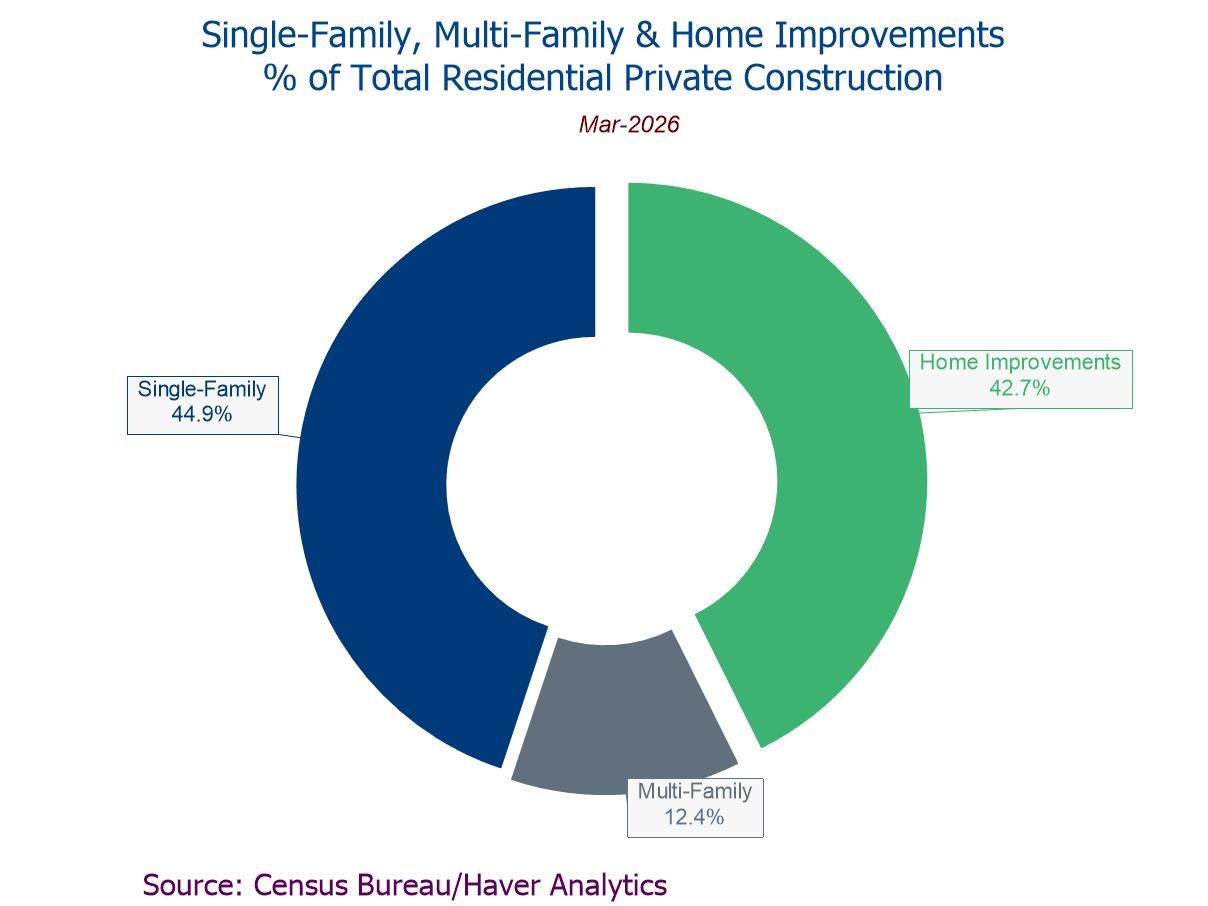
- Headline +0.6% m/m, first monthly gain in three mths.; +1.6% y/y, fourth straight y/y rise.
- Residential private construction +1.7% m/m, driven by a 2.7% rebound in single-family building.
- Nonresidential private construction -0.2% m/m, fifth decline in six mths.
- Public construction -0.2% m/m, led by a 2.3% drop in residential public building.
- of7Go to 5 page