

Are Current Credit Conditions Worrisome?
|in:Viewpoints
In an interview last week, Jamie Dimon, CEO of JPMorgan, said "banking rivals are doing dumb things" and drew parallels between current credit conditions and those in the years leading up to the 2008-2009 Great Financial Crisis. Immediately following Dimon's interview, the FDIC issued its "Quarterly Banking Profile", which provided evidence that commercial banks are in sound shape financially, with relatively high levels of capital and fairly low loan delinquencies. Private credit has also been in the news, fueling fears of real problems. Private credit is not supervised and there are no reliable sources of data for evaluating private credit. This makes financial markets vulnerable to speculation and anecdotal evidence.
Are current credit conditions worrisome? My current assessment is that as long as the economy continues to expand, with aggregate demand growing anywhere near its recent pace, commercial bank credit is not worrisome, and credit conditions are far different than the problems and risks that characterized the pre-GFC period. If the economy were to fall into recession, resulting in a decline in business revenues and profits, credit problems would obviously emerge, but current monetary and fiscal policies suggest the probability of that outcome is low.
The rapid growth of private credit may be a problem. However, if problems exist, most likely they are largely concentrated in the debt-financed AI infrastructure buildout, and a deterioration in private credit conditions would have localized economic and financial impacts, unlike the GFC. Unfortunately, there is insufficient collected information and data to assess the situation, so understanding the scope of the credit issue must be based on specific credits, cash flows and capital of companies.
Dimon's concerns about parallels to the pre-GFC credit markets seem overstated. Consumer and business debt and debt-service are in fairly good shape and current credit conditions and banking practices are far different than during the pre-GFC. Corporate America has been deleveraging for years, household debt remains relative low compared to disposable personal income, and commercial banks are largely well capitalized and have a better understanding of the risks in their balance sheets.
In the years leading up to the GFC, nearly the opposite unfolded. There was an explosion of mortgage debt during an unruly bubble in housing activity (national outstanding mortgages rose 75% in the years 2002-2008) driven by rapidly rising home values and excessively loose credit standards (mortgages, HELOCs, home equity loans); a proliferation of overly-complex MBS and ABS derivatives that created tranches of income-yielding securities that were widely held by banks and investors who didn't know their risks; and insufficient bank capital and lax definitions of capital held by banks. Expectations that home values would continue to rise forever were the catalyst that drove the housing and mortgage demand and loose bank credit standards and willingness to hold complex and risky MBS derivatives. There was a high degree of interconnectedness of systematically important financial institutions (SIFIs) that risked contagion.
When home prices and expectations of future values began to fall in Spring 2006, the entire mortgage market began to unravel. Collapsing values of MBS derivatives and massive mortgage defaults resulted in back-breaking losses for banks, revealing insufficient bank capital bases. Widespread uncertainties about banks' capital led to a short-term funding crisis for large banks, a dramatic spike in uncertainty and broader financial paralysis and deep economic contraction. In sum, real estate loans were at the heart of commercial banking portfolios, and the credit quality of the loans were rotten.
The most recent Federal Reserve reports on commercial bank balance sheets and household debt along with the FDIC Report show that household and business debt levels are not high relative to economic activity and disposable personal income, and banks remain healthy and well-positioned. Chart 1 shows total household debt including mortgages as relatively low as a share of disposable income while Chart 2 shows that business debt is falling as a share of GDP. Chart 3 shows the shares of consumer loans by type: excluding the policy-induced spike in student loan delinquencies, the only concern is credit card debt where seriously-delinquencies are uncomfortably high.
Chart 4 shows delinquencies of business loans: delinquencies of commercial real estate loans have risen only modestly since the Covid-related spike in commercial real estate vacancies in big cities and remain below delinquencies of residential real estate loans. Recent indicators suggest that the problems in commercial real estate are now diminishing. Chart 5 shows commercial bank charge-off rates, which remain low.
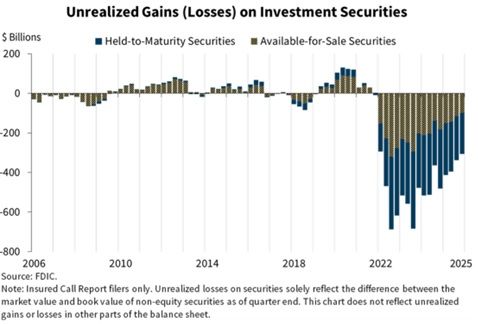
Charts 6-7 are from the recent FDIC Report: they show that banks' reserve coverage ratio is relatively high; and their unrealized capital losses of investment securities is shrinking (banks have reduced the duration of their securities and longer-term yields have declined). The FDIC tabulation of problem banks is low. All-in-all, commercial banks are in relatively good shape.
The private credit market remains murky, except for those who are directly involved--the lenders and their sources of capital and leverage--and have access to the financials of the credits they are involved in. The lower costs and higher efficiencies of private lending that stems from lower costs of supervision and government regulatory oversight has a downside: lack of knowledge of data and transparency. In a recent study by the Alternative Credit Council and Houlihan Lukey, Financing the Economy 2025, the private credit market is described in broad terms and includes many interviews with active private creditors, but it does not include the sufficient data to analyze and evaluate private credit. (In a recent article I co-authored with Amit Seru, “The Fed Needs to Earn Its Independence. Just Setting Rates Isn’t Enough”, we argued that the Federal Reserve should seek to obtain information on the credit activities of the private lenders.)
It's important to distinguish between the different kinds and structures of private credit. Some (many?) private creditors are basically making the loans that commercial banks used to make, benefiting from the lower costs of supervision, compliance and regulation. They raise private capital, leverage it with loans from commercial banks, and provide credit to borrowers at healthy spreads. They conduct credit analyses of their clients. Presumably, the credit quality of their loans does not deviate significantly from the commercial and industrial (C&I) loans of commercial banks, although that is not ensured. Also, it is likely that most private creditors are less leveraged than banks.
Two of the largest concerns with private credit are 1) that the proliferation of private lending may be diluting the quality of the private creditors and lessening their credit standards and oversight of the loans, and 2) some private lenders have a narrow focus of their lending activities, and their lack of sufficient diversification may generate concentrations of defaults.
Currently, there's a ton of news on the rising debt used in the AI infrastructure buildout, including data centers and energy production facilities. Sorting out the corporate finances of the companies leading the AI capital spending buildout is difficult. For many companies involved in the AI buildout, much of the capital spending on data centers and energy related buildouts has been financed with internal capital and cash flows. More recently, however, a significant amount has been financed by debt. At the same time, the revenues and free cash flows generated by AI-related products are accelerating dramatically. Based on standard business metrics, a snapshot of the finances of many of the largest AI firms are reasonable or even good. Several may be problematic.
The pace of implementation of AI into commerce and society is stunning. Most likely it will add materially to productivity, economic growth and profits, and will disrupt labor markets. As with all other innovations in U.S. history, disruptions will result in some jobs lost and other new jobs created. I take a positive view of longer-run outcomes. In weighing current commentary on the labor market outcomes stemming from AI innovations, be careful in extrapolating anecdotal evidence to the entire economy, and remember the adage “bad news sells”.
As with all episodes of technological innovation in the U.S., there will be some failures among the AI innovators, and some of the providers of capital and credit will incur losses. However, in contrast to the GFC, the losses will be incurred by a narrow group of capital and credit providers and will not be pervasive and unhinge society and commercial banking. Consider an insurance company or a state pension that finances an AI project and incurs a sizable loan default or capital loss. The jarring impacts of the losses will be narrowly focused and would be relatively minor to the broader commercial banking industry. Similarly, the impacts of the large losses stemming from the Covid-initiated collapse of commercial real estate in big cities were relatively narrow and didn’t unhinge the banking industry. The private credit industry and AI require scrutiny. A close assessment of individual company products, revenues and profits and capital spending is required. This may be a time to be cautious in private lending. But starting with the premise that we should be fearful because it has parallels to the pre-GFC period is not particularly instructive.
Chart 1. Household Debt Outstanding/Disposable Personal Income
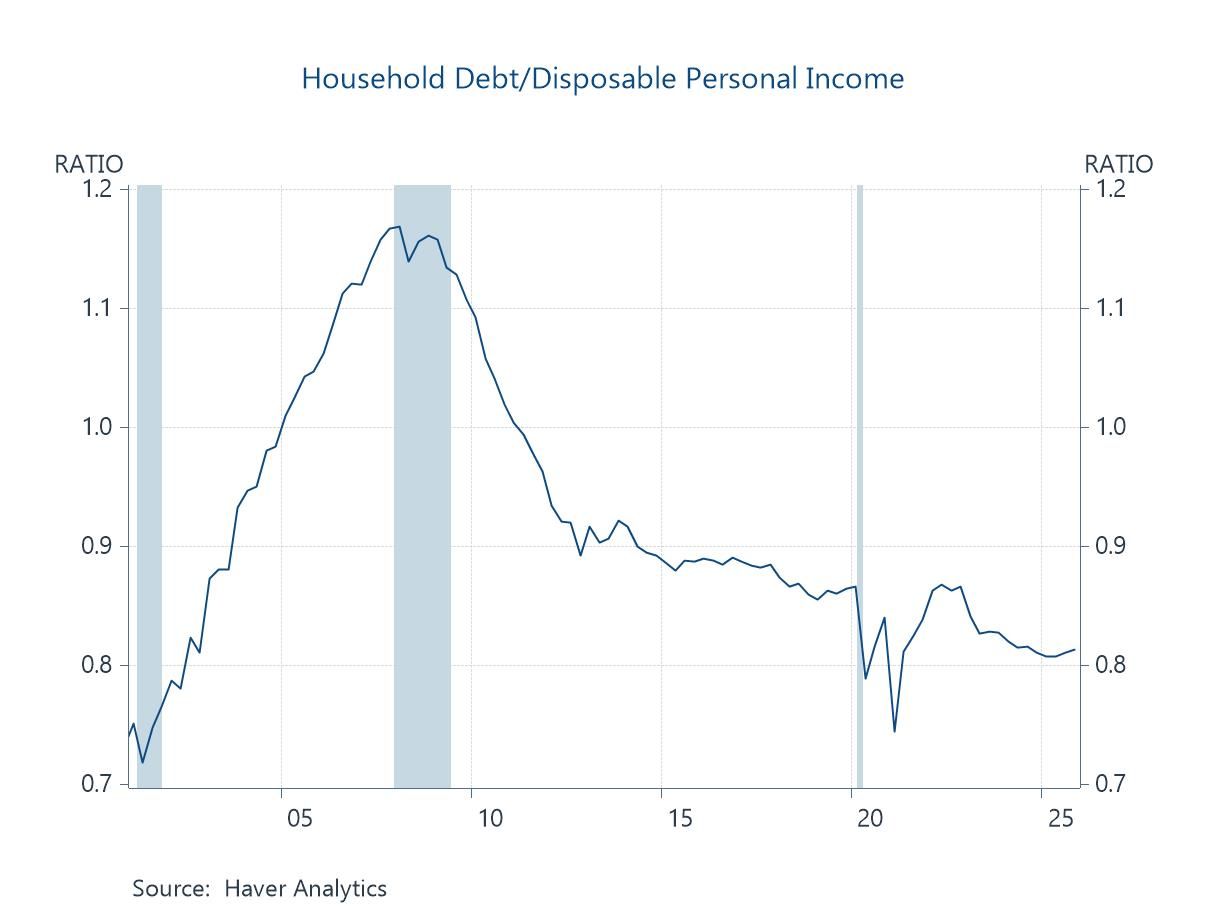
Chart 2. Nonfinancial Corporate Debt/GDP
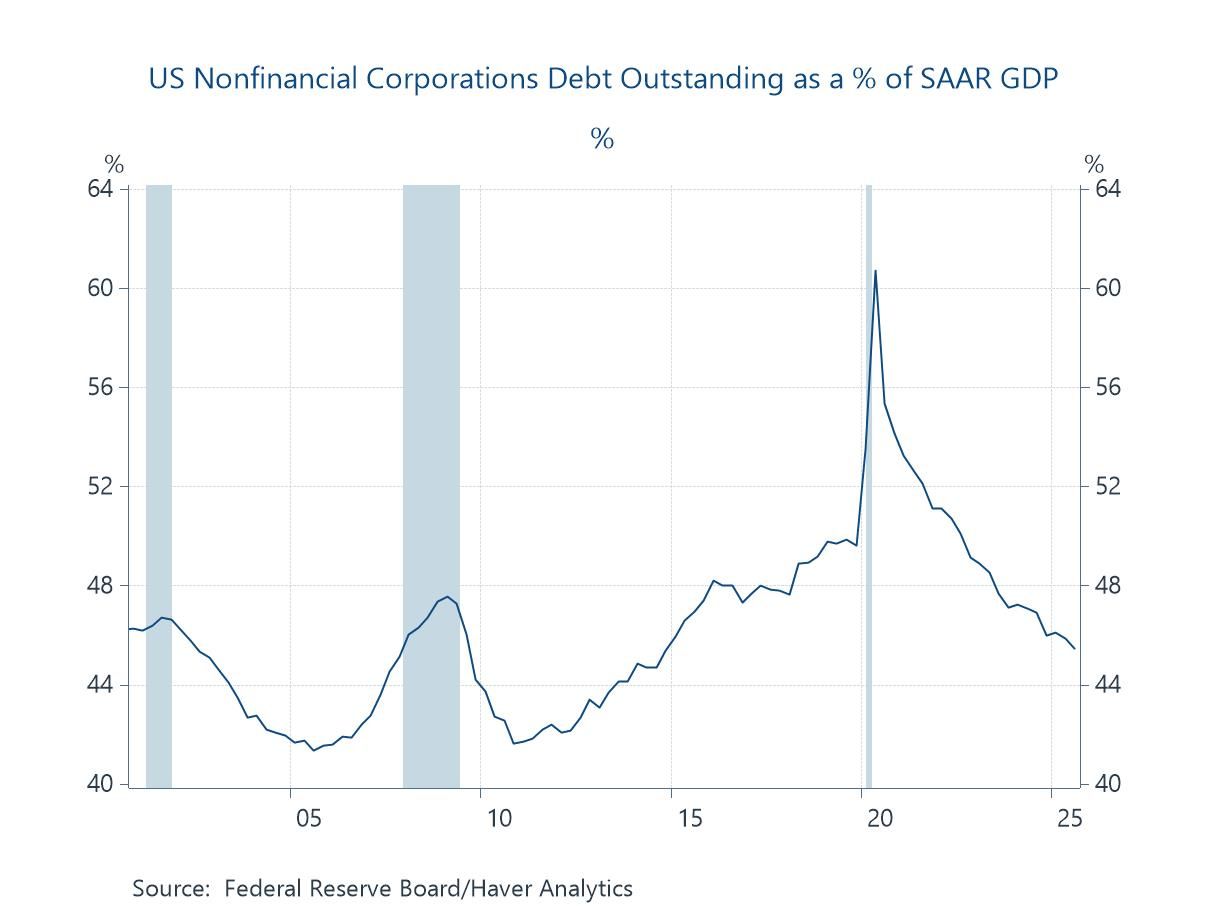
Chart 3. Seriously Delinquent Consumer Loans and Mortgages
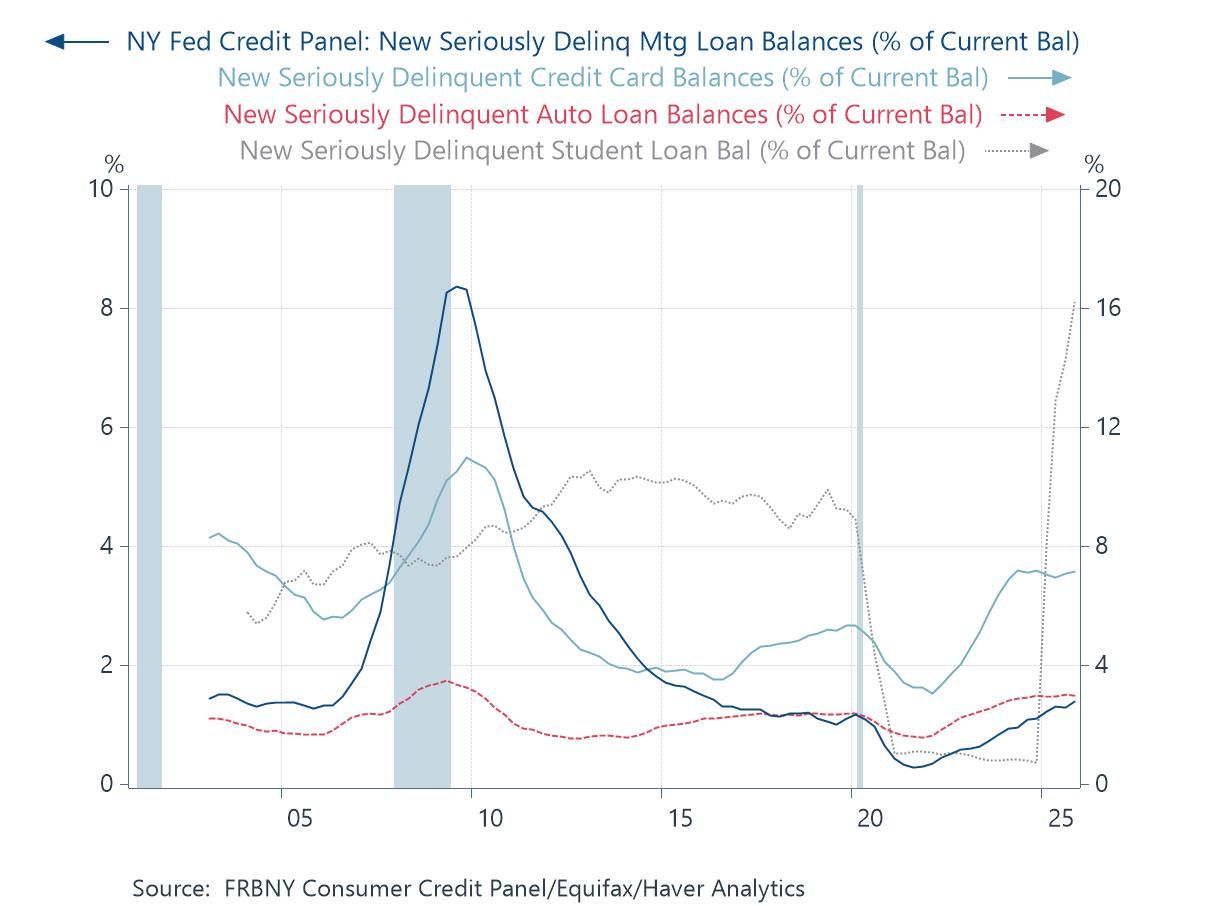
Chart 4. Delinquencies of Business Loans
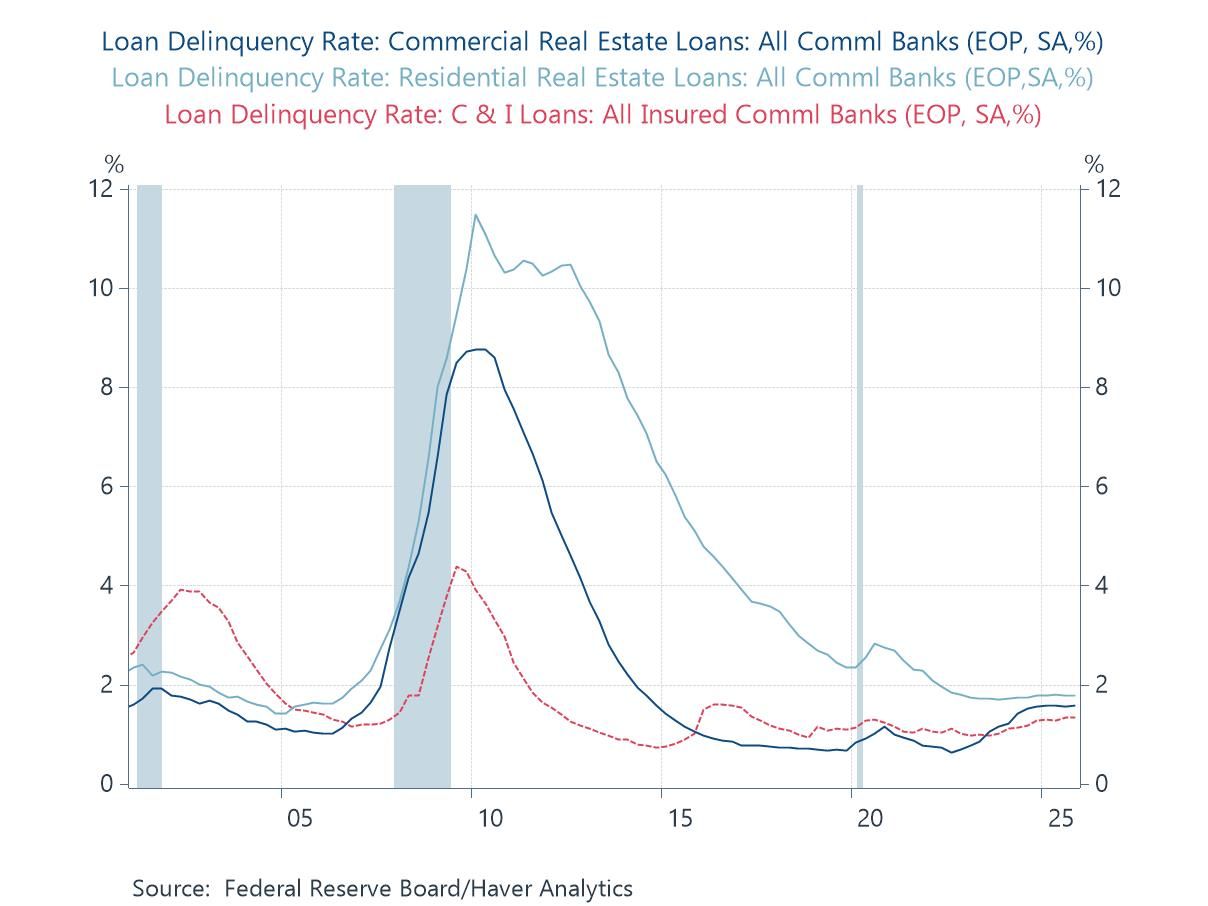
Chart 5. Bank Charge-Off Rates
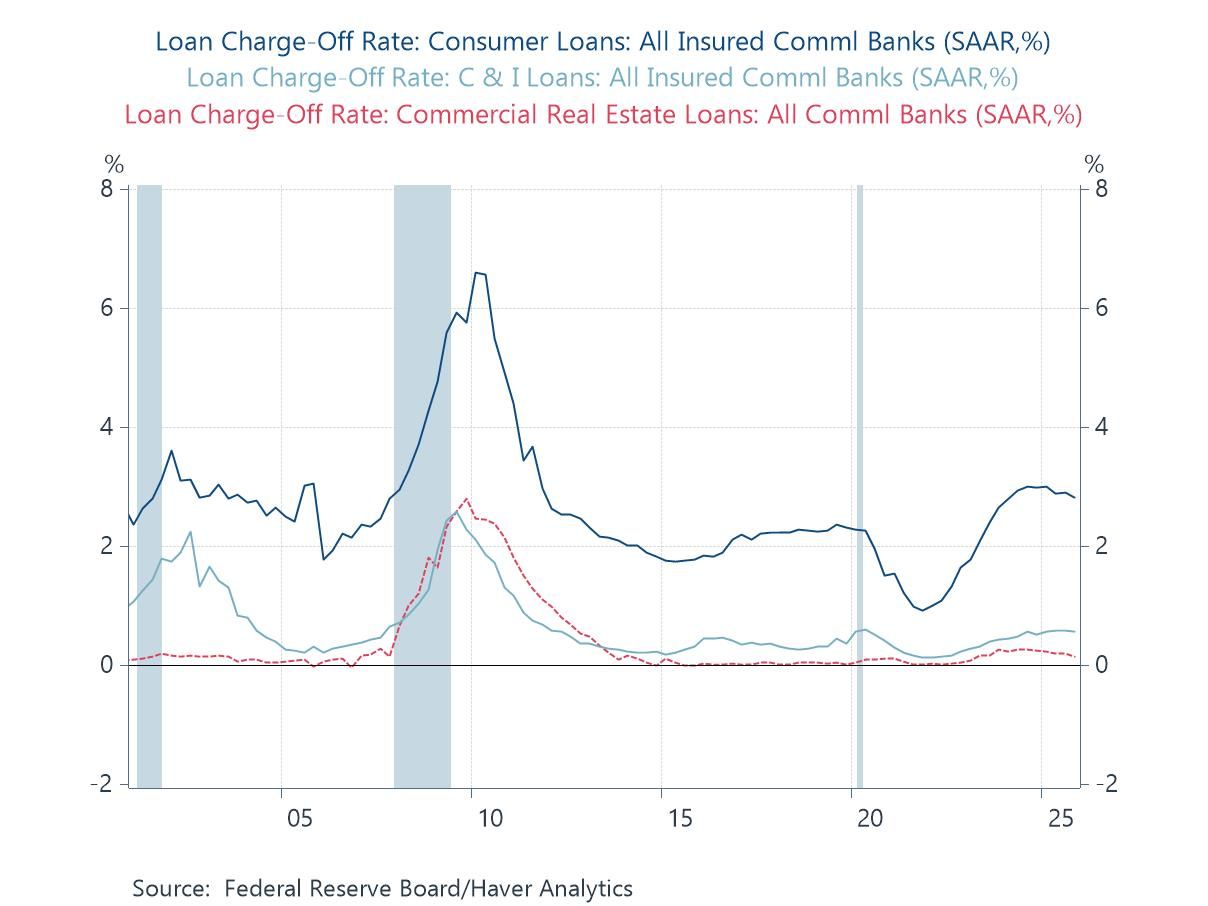
Chart 6. Bank Reserve Coverage Ratio
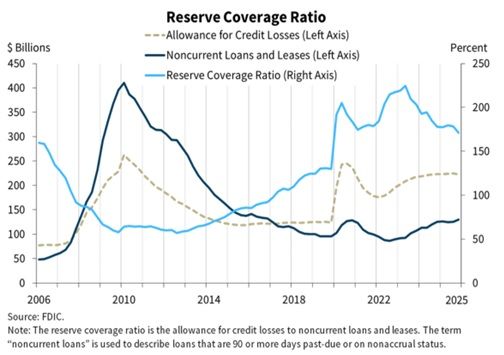
Chart 7. Unrealized Losses on Bank Investment Securities

Mickey D. Levy
AuthorMore in Author Profile »Mickey Levy is a macroeconomist who uniquely analyzes economic and financial market performance and how they are affected by monetary and fiscal policies. Dr. Levy started his career conducting research at the Congressional Budget Office and American Enterprise Institute, and for many years was Chief Economist at Bank of America, followed by Berenberg Capital Markets. He is a Visiting Fellow at the Hoover Institution at Stanford University and a long-standing member of the Shadow Open Market Committee.
Dr. Levy is a leading expert on the Federal Reserve’s monetary policy, with a deep understanding of fiscal policy and how they interact. He has researched and spoken extensively on financial market behavior, and has a strong track record in forecasting. Dr. Levy’s early research was on the Fed’s debt monetization and different aspects of the government’s public finances. He has written hundreds of articles and papers for leading economic journals on U.S. and global economic conditions. He has testified frequently before the U.S. Congress on monetary and fiscal policies, banking and credit conditions, regulations, and global trade, and is a frequent contributor to the Wall Street Journal.
He is a member of the Council on Foreign Relations and the Economic Club of New York, and previously served on the Panel of Economic Advisors to the Federal Reserve of New York, as well as the Advisory Panel of the Office of Financial Research.
Dr. Levy holds a Ph.D. in Economics from University of Maryland, a Master’s in Public Policy from U.C. Berkeley, and a B.A. in Economics from U.C. Santa Barbara.
 Global